
How major crises reshape workers comp responsibilities
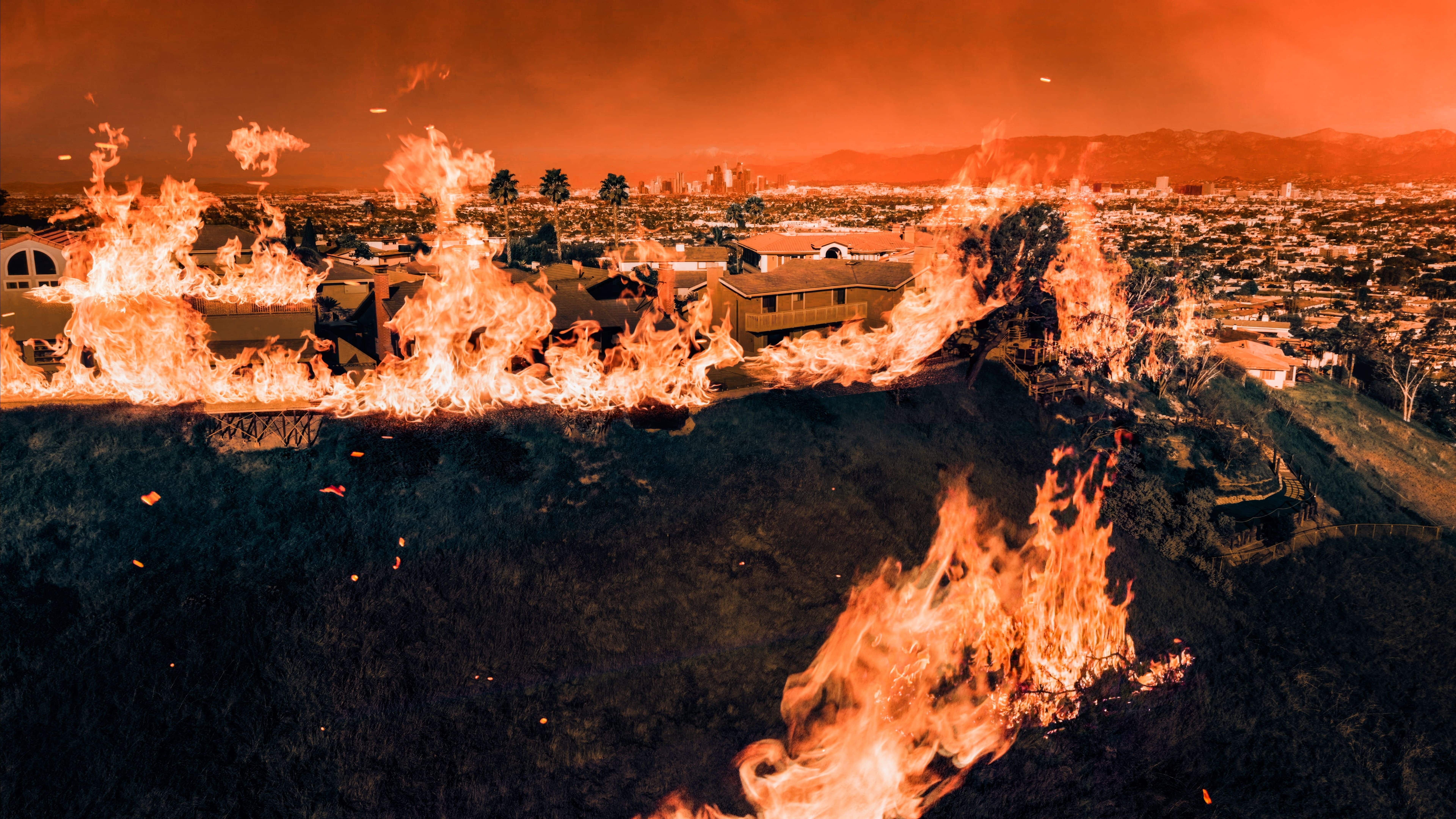
Major workplace crises, whether natural disasters or acts of violence, always leave behind more than physical damage. They reveal gaps in preparedness, expose weaknesses in response systems, and place lasting burdens on the affected workers. Two recent events, the Los Angeles wildfires and the Virginia school shooting verdict, underscore how employers must rethink workers compensation through the lens of large-scale, high-impact risks.
Wildfires in Los Angeles: scale and complexity of compensable harm
As reported by Risk & Insurance, City of Los Angeles officials detailed the enormous work comp toll from the Palisades and Eaton fires at the 2025 National Comp conference. The Palisades fire has already resulted in 122 claims, a number expected to rise, with 90 percent accepted. The vast majority (about 80 percent) were respiratory injuries, while another 15 percent involved physical injuries such as slips, falls, burns, and heat-related conditions. Additional claims involved eye irritation and skin rashes.
The severity of respiratory claims demonstrates that environmental exposures during disasters can have long-lasting or delayed medical consequences. Officials noted that workers inhaled volatile organic materials that are known to cause chronic health problems such as heart disease, long-term lung impairment, and cancers. Illnesses may emerge years later, paralleling lingering 9/11-related claims that workers filed decades after exposure.
Just as concerning is the psychological impact. First responders not only inhaled toxins, but also witnessed trauma, destruction, and loss at close range. As Los Angeles leaders emphasized, protecting workers from PTSD, anxiety, and cumulative psychological stress should be viewed as a core workers comp obligation.
Virginia school shooting verdict: a different type of catastrophic workplace event
The recent $10 million jury award to a Virginia elementary school teacher shot by a six-year-old student illustrates another crisis context with work comp implications. The teacher, seriously injured in the chest and hand, sued a former assistant principal for allegedly ignoring multiple warnings that the student had a gun. The verdict came alongside separate felony child-neglect charges against the administrator and follows guilty pleas by the student’s mother, who owned the firearm.
While it’s likely the award will be appealed, two key issues emerge:
- The separation of workers comp and civil liability
The case demonstrates that a worker may pursue a civil negligence action when an administrator’s or co-worker’s conduct arguably exceeds the protections of exclusive remedy. For schools and other employers, this creates significant personal and institutional exposure when safety warnings are ignored. - The expanding duty of care in high-risk work environments
School administrators have a legal obligation to take reasonable steps to prevent foreseeable harm. Many states require school safety plans, drills, and threat-assessment procedures. This verdict reinforces that ignoring credible threats, even those involving children, may constitute negligence.
Workers Compensation lessons
While the Los Angeles fires and the Virginia shooting differ dramatically, several shared WC lessons emerge:
- Catastrophic events create both immediate and latent claims
Wildfire responders inhaling toxins and teachers subjected to traumatic violence may develop long-term psychological or physical injuries. Comp programs must anticipate delayed claim development and preserve evidence, documentation, and medical access over years, not months.
- Employers must plan for specialist shortages and surge capacity
Whether pulmonary specialists after a wildfire or trauma-informed mental health providers after a school shooting, traditional provider networks can be overwhelmed by catastrophic events. Los Angeles quickly realized there would not be enough pulmonary specialists in the work comp system to treat injured workers. Instead of delaying care, they allowed workers to see general health physicians first, catching up on comp as the claim progressed. Pre-identified overflow providers and flexible authorization rules ensure continuity of care.
- Catastrophic events strain resources across every department
During the January fires, 70 percent of fire department resources were deployed to wildfire response. Even cities not prone to natural disasters may face multi-incident scenarios that stretch capacity. - Mental health must be on equal footing with physical health
Both events show the need for proactive psychological support, including critical incident stress management and counseling access. Trauma exposure is not limited to first responders; teachers, hospital staff, utility workers, and others face similar risks.
- Safety warnings cannot be ignored
In both contexts, timely action is everything. For firefighters, that means advance risk planning before fires ignite; for schools, it means immediate response to credible threats. Failing to act increases not only the likelihood of injury but the potential for civil liability.
- Empathy is indispensable in both high-risk and ordinary workplaces
Los Angeles officials stressed the importance of asking: “Are you really thinking about the person who was impacted?” Injured workers are not just cases; they are people navigating fear, trauma, and uncertainty. Work Comp systems function best when empathy guides communication, treatment authorization, and return-to-work planning.
- Preparedness must be proactive
While not every organization faces literal flames, every employer has local catastrophic risks. The lesson is clear: the time to prepare for the unimaginable is long before it happens.
SEVEN SECRETS
You’ll receive important information to help you avoid overcharges on your workers’ compensation.